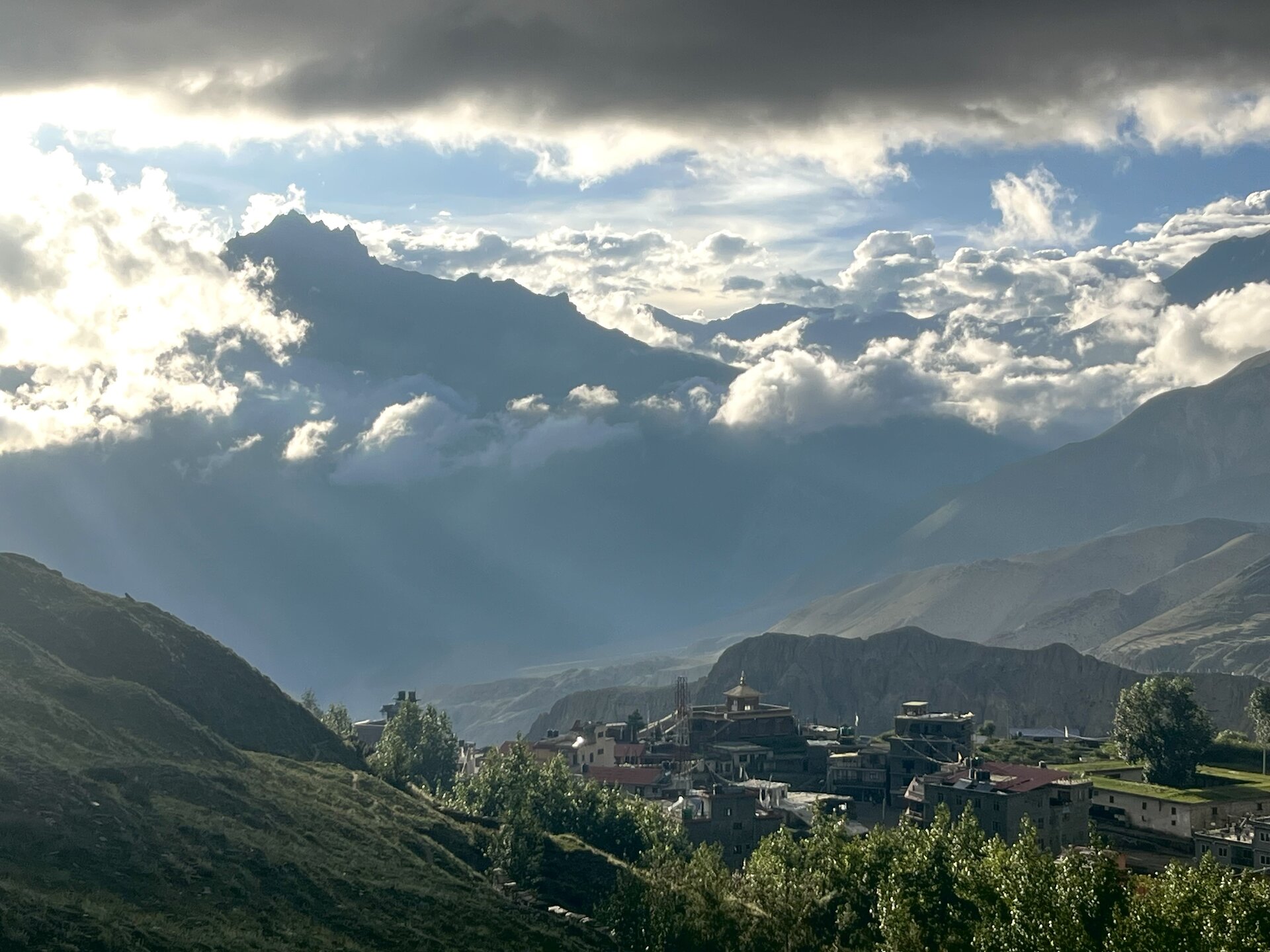
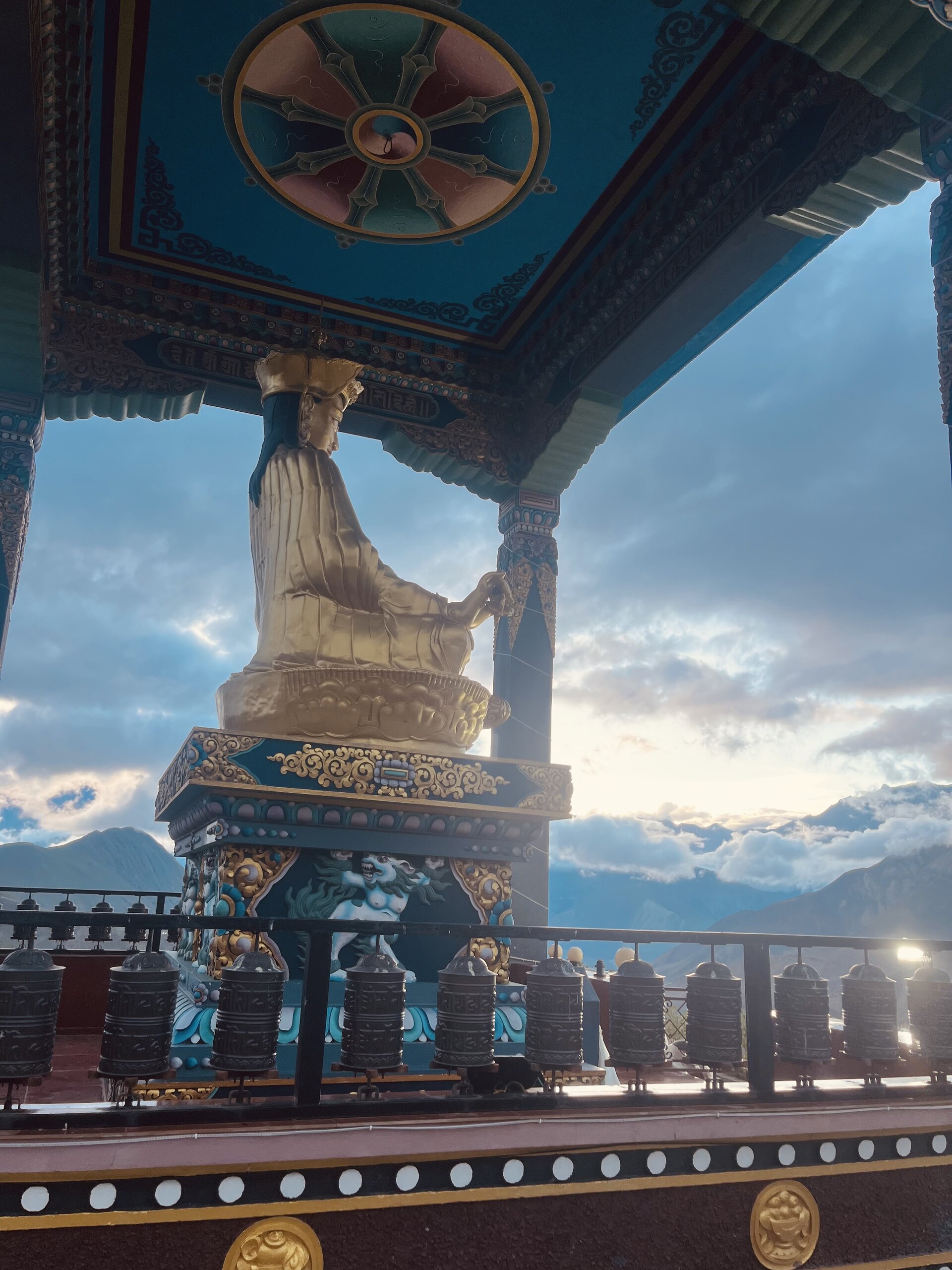
Area with various temples workshipped both by Buddhists and Hindus.
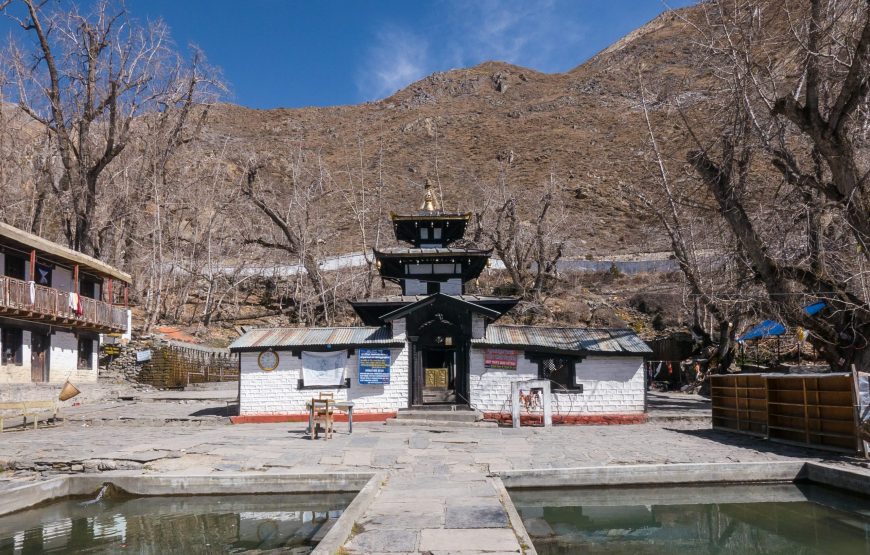
The Hindus see it as the abode of Vishnu. And for Buddhists it’s seen as a land where daikinis and Guru Rinpoche meditated (Hundred Waters ཆུ་མིག་བརྒྱ་རྩ་)..
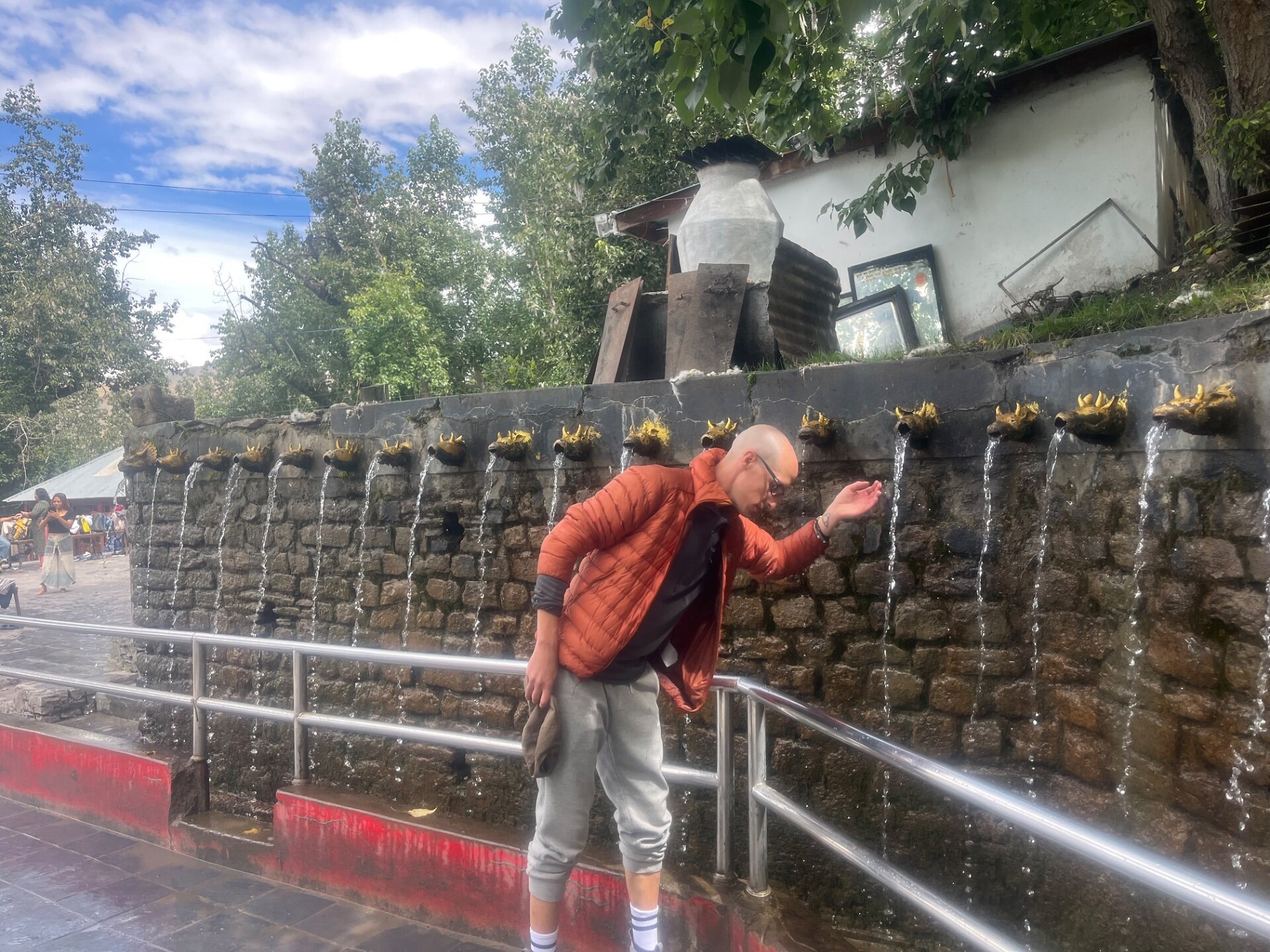
The element of water purification is present: there are 108 water taps arranged in a semicircle as well as two ponds. Devotees run under the extremely cold 108 waters and then dio into those ponds — one for Lakshmi (wealth, prosperity) and one for Saraswati (wisdom). After “having washed impurities” or “sins” they cloth and proceed into the temple.
In the main shrine the statue seen is a human figure sat in lotus pose. For Hindus it’s Lord Vishnu, the preserver of the universe, while for Buddhist it’s Chenrezig, the bodhisattva of compassion.
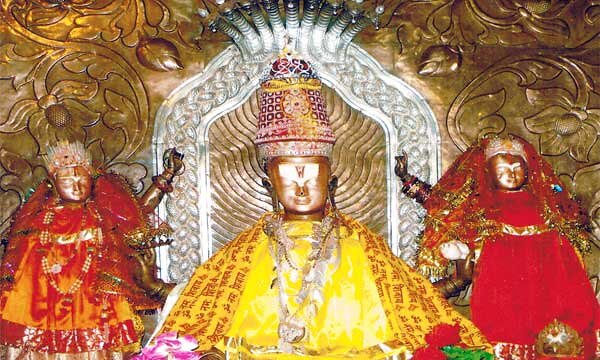
No access was allowed in the statue room, you could only see it from a window. Behind the window there was a Buddhist nun taking in the donations and giving blessed elements such as rice, natural pigments or cloth stripes devotees would apply on.
Jwala Mai (Tib. སྒྲོལ་མ་མེ་འབར་) temple has a small shrine, underneath of which the “ethernal flame” can be seen. Lit by natural gas coming from the earth. Some water can also be seen. The smell inside is quite strong (very sulphuric — like that of rotten egg). It can be seen also as a culmination of the 4 elements: earth, water, air, space.
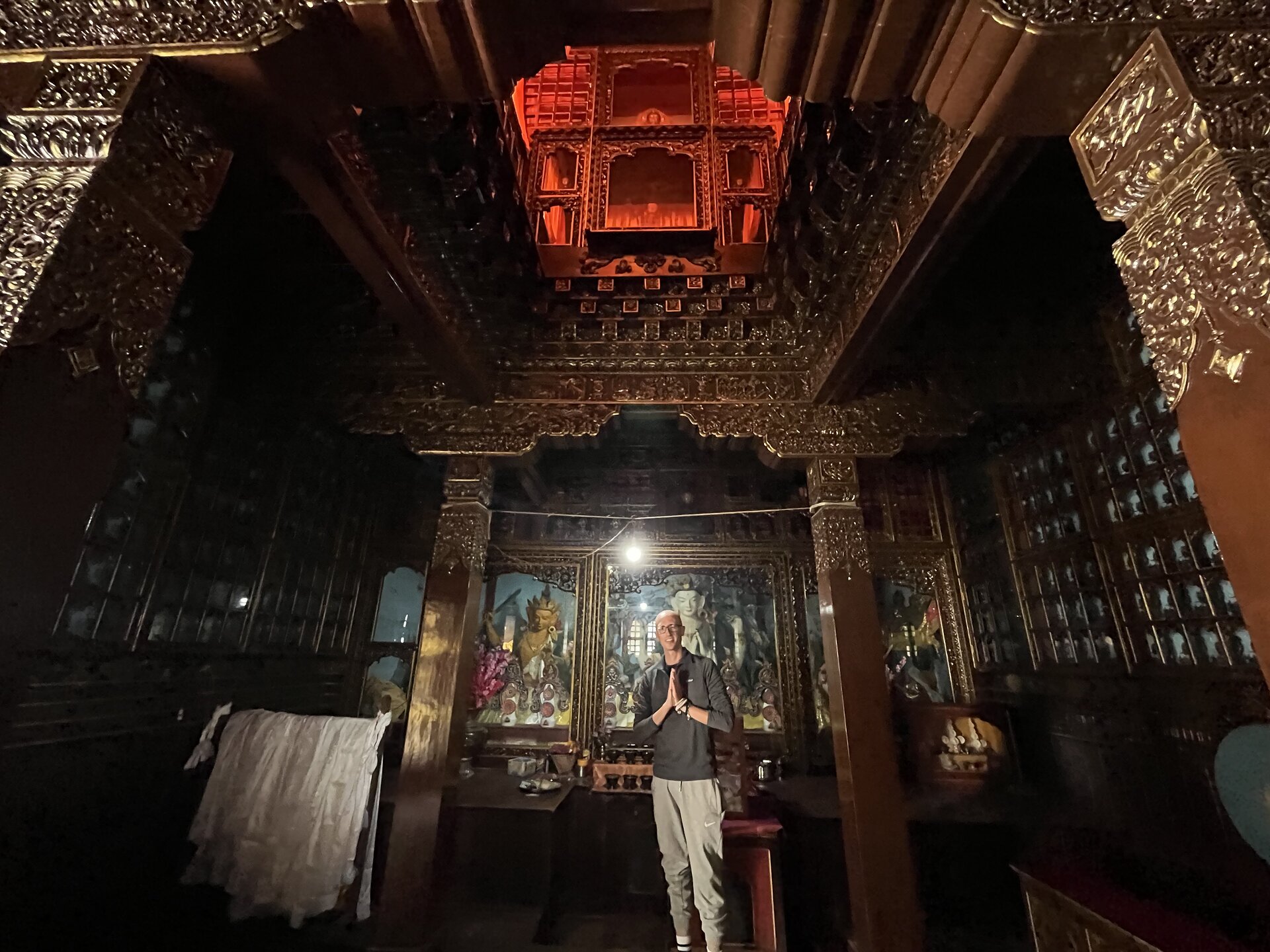
Nearby there was also a Buddhist temple to Guru Rinpoche with a very old Padmasambhava statue and a park with a big stone Buddha Shakyamuni statue.
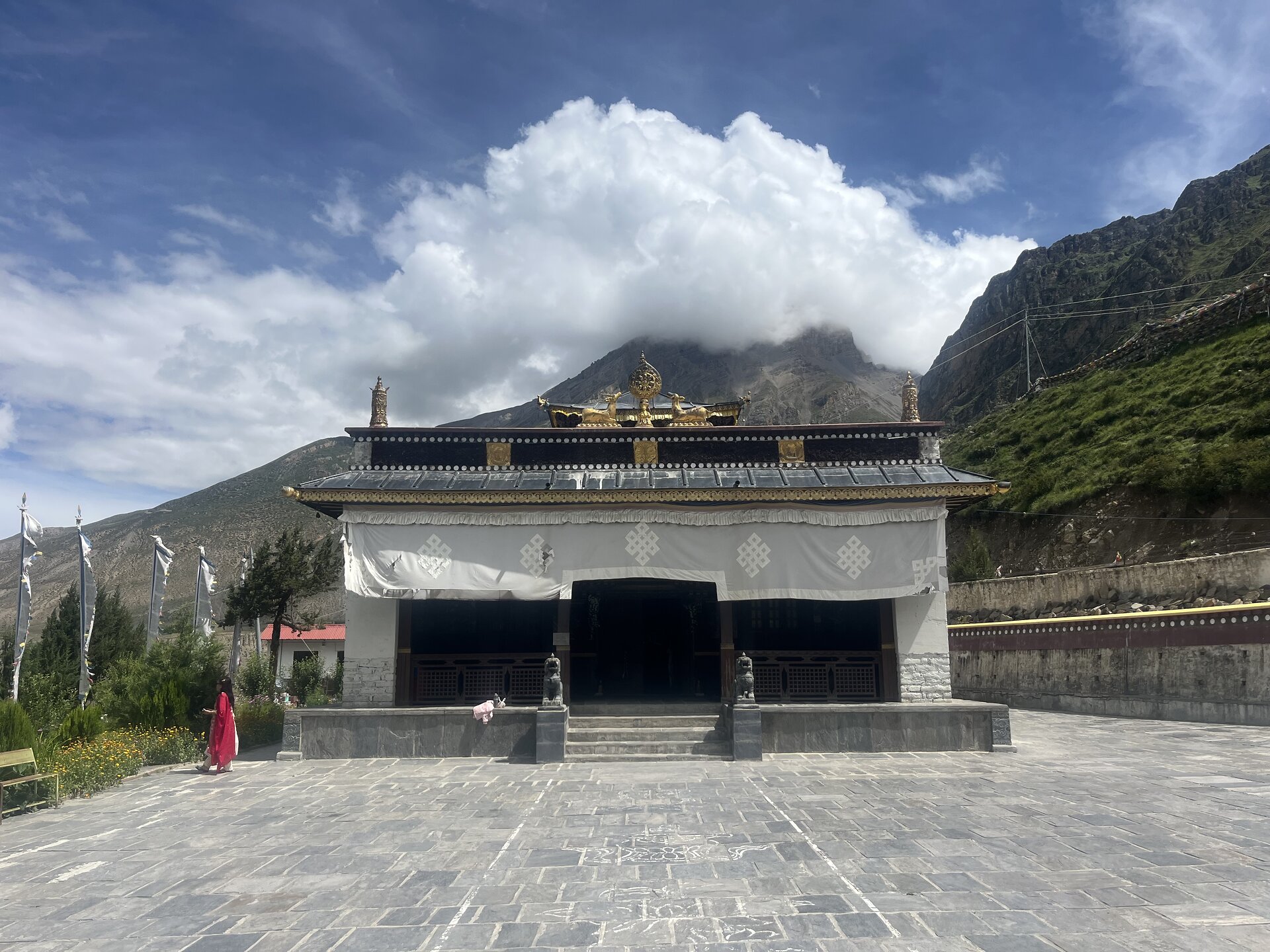
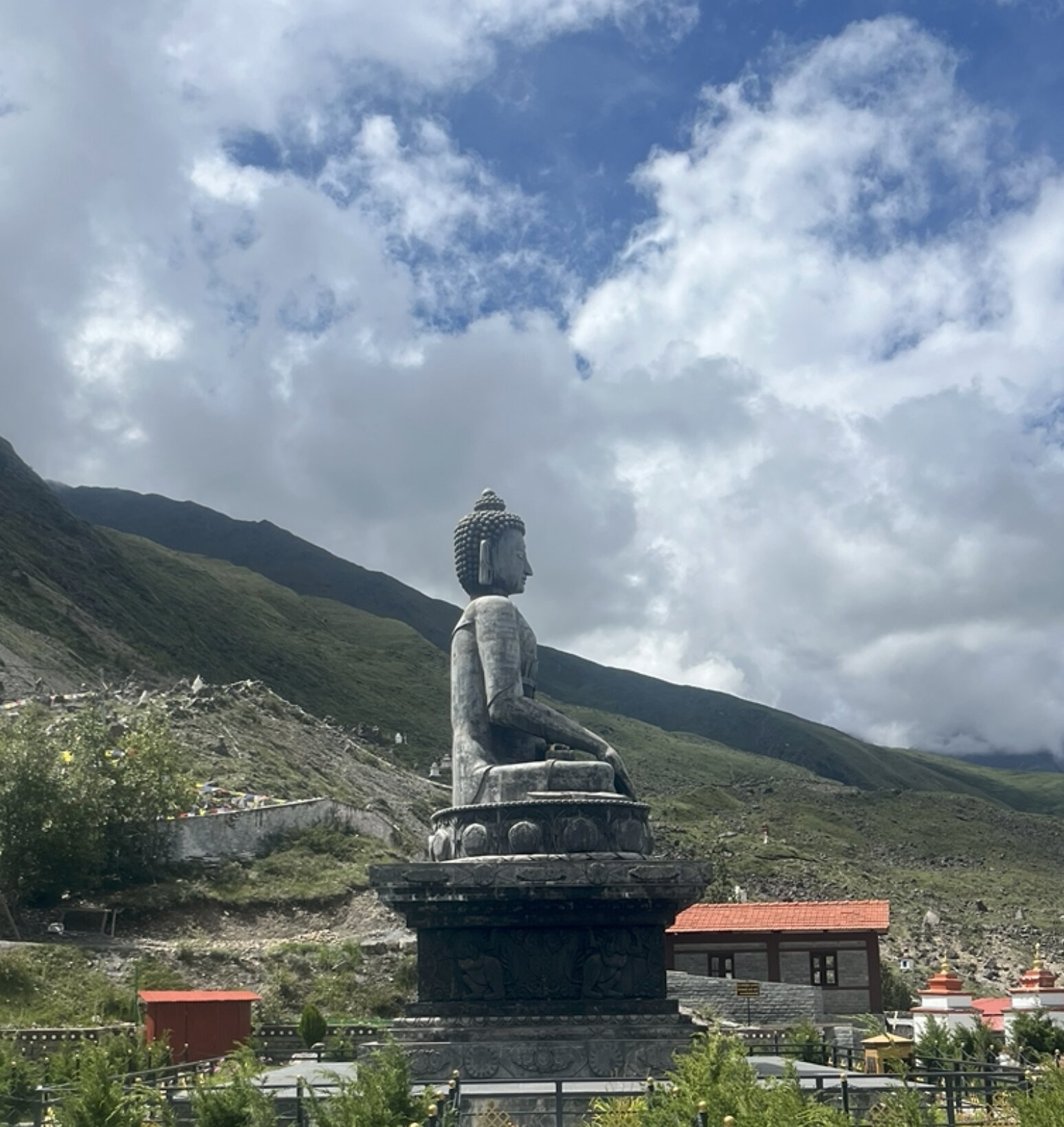
Outside of the temple complex there’s a big Guru Rinpoche statue with nice views very suitable for practice.